
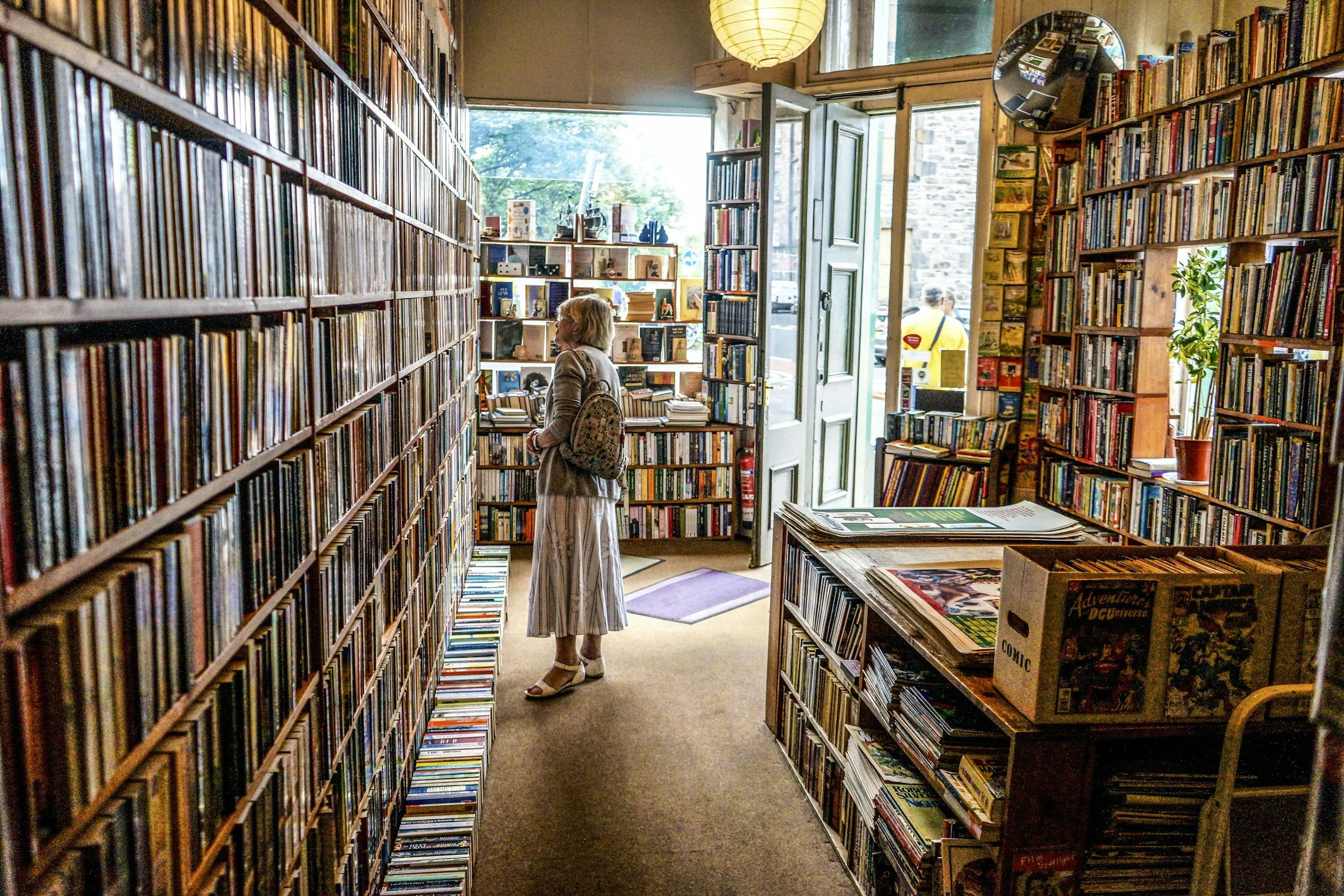
What is a third space?
The concept of “third space” comes from American sociologist Ray Oldenburg. In his 1989 book The Great Good Place, he described “third places” as the spots outside of home and work where community life happens. Cafés, barbershops, pubs, and libraries were his examples. Today, many people call them third spaces. Oldenburg’s point was simple. Home is the first place in our lives. Work or school is the second. The third is where we go to connect, unwind, and find belonging.
So where is yours? Maybe it’s a café where the barista knows your order. Maybe it’s the library, a trail you walk most mornings, or a gym where you recognize the regulars. It might even be a bench where you end up sitting and contemplating all of life’s big questions.
And if nothing comes to mind, that’s worth noticing, too. When home and work fill every hour, third spaces are the first thing to go.
Why third spaces matter for mental health
When home and work become the only two places in your life, your world begins to feel small and isolating. There is nowhere to decompress, and nobody sees you outside your usual roles. Third spaces help in a few simple ways:
They reduce isolation. Regular, low-pressure contact with other people adds up. You do not need deep conversations.
They give your mind a break. A change of scenery can interrupt rumination and loosen the grip of a stressful day.
They support identity. At home you are a parent or partner. At work you are your job title. In a third space, you get to just be a person.
They build routine. Having somewhere to go can make a hard week feel more manageable, especially during anxiety, low mood, or major life transitions.
Signs you might need a third space
You might be missing a third space if you:
Go straight from work to home and back again
Feel lonely even when you are busy
Struggle to switch off after the workday
Spend most of your free time on your phone or couch
Feel stuck, restless, or a bit flat
How to find your third space in Vancouver
Start small and keep it easy. Look for somewhere you can return to again and again.
Pick a place, not a performance. You do not have to be good at anything. You just have to show up.
Go at the same time each week. Familiarity is what turns a place into a third space.
Choose low pressure. A library, a trail, a community centre, a bookstore, or a regular coffee spot all work.
Give it time. It can take a few visits before a place starts to feel like yours.
Counselling as a third space
Therapy can be a third space too. It is not home and it is not work. It is a place set aside for you, where you can think out loud, slow down, and be heard without having to perform.
At Third Space Counselling & Mental Health in Vancouver, this idea is at the heart of how we work. Whether you are dealing with trauma, anxiety, or a life change that has left you feeling in between, you deserve a place where you can figure things out at your own pace.
Ready to find your third space?
If you are looking for a counsellor in Vancouver, we offer individual, child & youth, couples, and family counselling. Book a free consultation at thirdspace.janeapp.com or email info@thirdspacecounselling.ca.
We hope you found insights and inspiration in our blog. Remember, this space is dedicated to sharing knowledge and supporting your wellness journey with engaging reading material. However, it's essential to recognize that our blog is not a substitute for professional medical advice.
